What is the Sacrament of Anointing of the Sick?
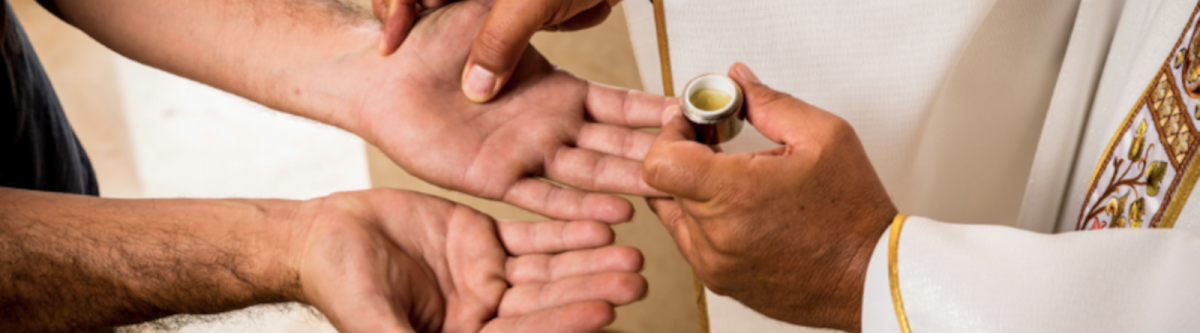
The Anointing of the Sick is a sacrament where a priest anoints a person's forehead and hands with the Oil of the Sick (blessed by a bishop), accompanied by prayers asking for God's healing and strength. It unites the sick person's suffering with Christ's passion and can include absolution of sins if the person is unable to confess. Historically called "Extreme Unction" (last anointing), its name changed after the Second Vatican Council to reflect its broader purpose beyond just the dying.
In simpler terms, it's a spiritual "medicine" that brings comfort, courage, and sometimes physical recovery, reminding the person they are not alone in their suffering.
In the sacrament of the anointing of the sick, Christ uses the anointing and prayers of the priest to give comfort and strength to the soul and to the body of one seriously ill. We meet Christ here to receive his healing comfort, strength, and pardon. Anyone who is seriously ill, mentally or physically, may take part in it -- or a condition which is so serious as to demand surgery with a general anesthetic or even one who is weak from old age. Don't be afraid to call for the a priest to minister this sacrament at every serious change in your condition. If you have an emergency or serious illness, if you are sick and confined to your home or if you are entering the hospital or local nursing home, please notify the parish office at (319) 752-6733.
Why is Anointing of the Sick Important?
This sacrament is vital because illness and suffering can lead to despair, isolation, or spiritual doubt. It provides grace to endure trials, forgives sins, and prepares the soul for eternal life if death is near. It also highlights the Church's role in caring for the vulnerable, echoing Jesus' ministry of healing the sick.
For non-Catholics, think of it as a prayerful ritual that offers emotional and spiritual support during health crises, similar to hospital chaplain visits but with a sacramental belief in God's direct intervention.
What Are the Effects of Anointing of the Sick?
The sacrament imparts several graces: it strengthens the soul against anxiety or temptation during illness; forgives venial sins and, if the person is contrite, mortal sins; can restore physical health if it's God's will; and unites the person's suffering with Christ's for the good of the Church. If death approaches, it prepares the soul for heaven. Unlike some misconceptions, it doesn't "guarantee" death—many recover after receiving it.
In everyday terms, it brings inner peace, spiritual resilience, and a sense of God's presence amid pain.
How Does Anointing of the Sick Happen?
- Preparation: The sick person or their family requests it from a priest, often in a hospital, home, or church. No extensive classes are needed, but the person should be conscious if possible to participate. If able, they may receive Reconciliation first.
- The Ceremony: The priest prays over the person, lays hands on them (symbolizing the Holy Spirit), and anoints the forehead and hands with oil. It can include Scripture readings, the Lord's Prayer, and sometimes Holy Communion (called Viaticum if it's the last Eucharist).
- Ongoing Aspects: It can be repeated if the illness worsens or a new serious condition arises. In emergencies, a shortened form is used.
Who Can Receive Anointing of the Sick?
Any baptized Catholic who has reached the age of reason (around 7) and is in danger from serious illness, injury, or old age can receive it. It's not limited to the dying—people with chronic conditions, before major surgery, or the elderly can request it multiple times. Non-Catholics cannot receive it sacramentally, but priests may offer prayers or blessings.
Why Do Catholics Believe This?
Catholics believe in this sacrament based on Scripture, particularly James 5:14-15: "Is any among you sick? Let him call for the elders of the church, and let them pray over him, anointing him with oil in the name of the Lord; and the prayer of faith will save the sick man." Jesus healed the sick and sent His apostles to do the same (Mark 6:13). The Church sees it as Christ's continued healing ministry through priests.
For non-Catholics, this belief views illness as an opportunity for grace, not just a medical issue, distinguishing it from purely symbolic rituals in other traditions.
Additional Resources
- For the full text on the Anointing of the Sick, visit the Catechism of the Catholic Church online: http://www.scborromeo.org/ccc/p2s2c2a5.htm
- See also the United States Conference of Catholic Bishops: https://www.usccb.org/prayer-and-worship/sacraments/anointing-of-the-sick